
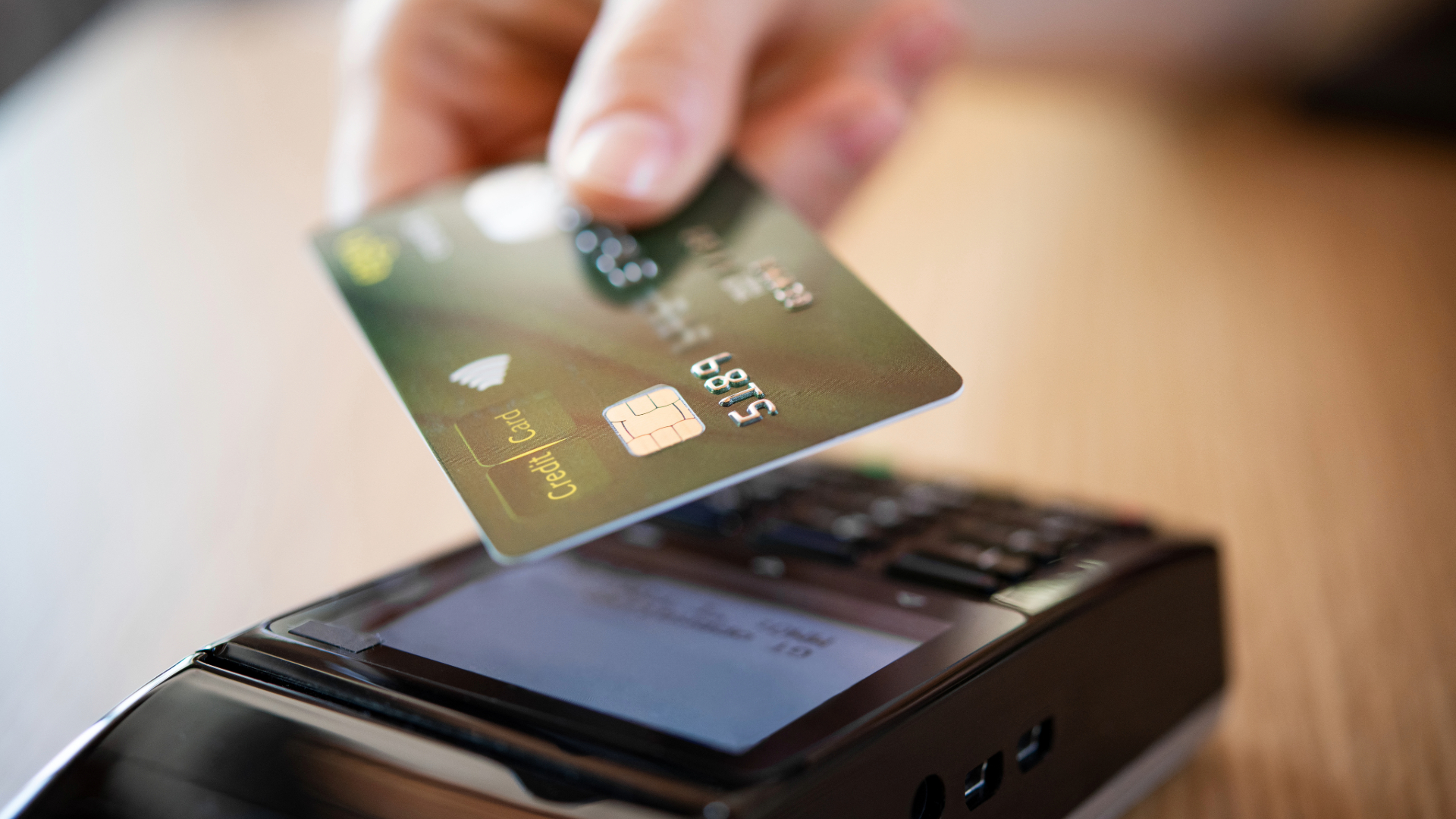
In the payment processing world, the word “free” often carries more weight than it should. One of the most common offers business owners see is a “free” credit card terminal included with a new merchant account. On the surface, it sounds like a win — especially if you're trying to lower expenses or upgrade old equipment. But what does “free” really mean in this case? Let’s unpack what’s often behind this offer, why it can cost far more in the long run, and when it might actually make sense to accept.
Payments Made Easy
1. Long-Term Contracts (That You Might Not Realize You Signed) Many free terminal offers are tied to multi-year contracts, often ranging from 36 to 48 months. The terminal may not have a price tag, but the contract typically includes: Locked-in terms that limit flexibility Automatic renewals if you don’t cancel within a narrow window Penalties for changing providers mid-term These contracts can feel like a trap once you're locked in — especially if you realize later that your rates aren’t competitive or your service is lacking. Question to consider: If your needs change, will your provider let you pivot — or penalize you for leaving?
2. Higher Processing Rates to Offset the Terminal Cost When a processor gives away hardware for “free,” they often make it up elsewhere — usually in higher processing rates or hidden fees. These inflated costs are spread out over months or years, quietly covering the equipment cost (and then some). A few common tactics: Tiered pricing models that increase your rate on many card types Non-qualified surcharges that aren't explained upfront Monthly fees for terminal insurance, maintenance, or compliance In many cases, the terminal ends up costing far more than its retail value, but the cost is buried in your statements — and most business owners never notice.
3. Early Termination Fees (ETFs) That Can Be Costly If you ever try to cancel the agreement early, you may face a steep early termination fee — sometimes several hundred dollars. Some processors even charge liquidated damages, which means you’ll owe the full amount they expected to make from your contract. That "free" terminal? It now has a price. A better question might be: Would it be worth paying for the terminal upfront if it meant full freedom to switch providers or negotiate better rates later?
4. When a Free Terminal Might Actually Be Worth It To be fair, there are cases where a free terminal offer makes sense: You’re working with a transparent provider who offers month-to-month agreements The equipment is truly free with no strings attached — and no inflated fees to offset it You’re a new business that needs to conserve cash and the terminal is a stepping stone, not a long-term solution You’re offered a zero-cost processing model that aligns with your business type (like dual pricing or cash discount programs) The key is understanding the full scope of the agreement and asking: “What’s the total cost of this solution over 12–24 months — and how flexible is it if I need to make changes?”
Final Thoughts: Ask the Right Questions Before You Sign At Top Shelf Consulting, we don’t believe in gimmicks. Whether you’re considering a free terminal or a fully custom POS setup, our goal is to give you the full picture — the real costs, the benefits, and the potential trade-offs — so you can decide what’s best for your business. If you’re currently reviewing your options, we’re happy to look over any offer you've received and give you a second opinion — no obligation, no pressure. Just honest feedback.
Curious if your rates or equipment are working for you — or against you? Schedule a free consultation here »